
LVP Over Damp Concrete: What Peninsula Homeowners Need to Know
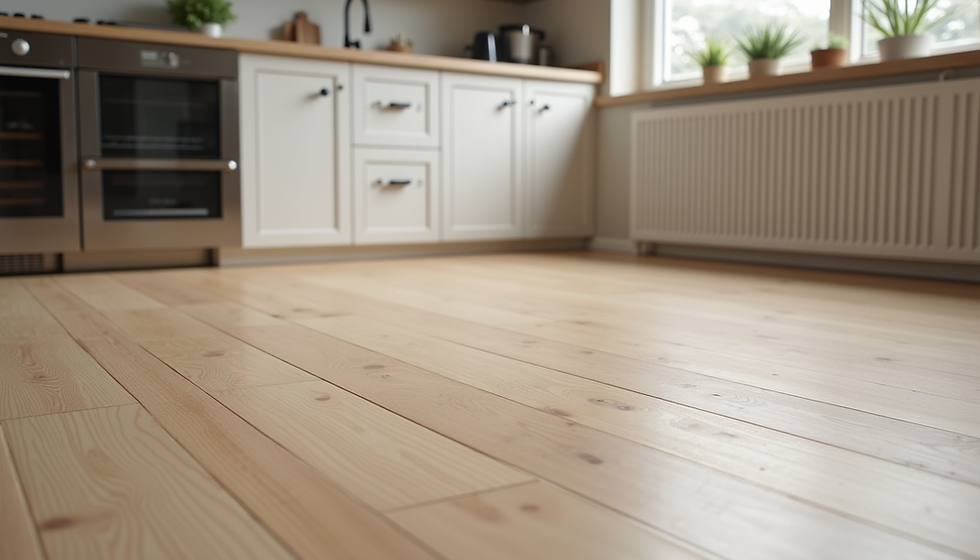
A lot of homes out here sit on slab foundations, and more than a few of those slabs hold onto moisture, especially in older beach houses built before today's vapor barriers were standard. If you've got a damp concrete floor and you're considering luxury vinyl plank, here's what putting LVP over damp concrete actually requires before you buy.
Why Moisture Matters More Than You'd Think
LVP is waterproof once it's installed, but that doesn't mean it can go over any concrete slab without a second thought. Moisture trapped underneath can cause adhesive failure, mold growth, or a musty smell that lingers even though the flooring on top looks perfectly fine.
Test Before You Install
Before any installation over concrete, we recommend a moisture test on the slab. It's a simple process, and it tells us exactly what we're dealing with, whether you'll need a vapor barrier, and what kind of underlayment makes sense. Skipping this step is the most common reason a beach house floor fails early.
Click-Lock vs. Glue-Down
For damp slabs, click-lock LVP (also called floating LVP) is usually the safer choice. Since it's not glued directly to the concrete, it's less affected by residual moisture, and a plank is easier to lift if anything underneath ever needs attention. Glue-down LVP can work too, but it needs a drier subfloor and an adhesive rated for high-moisture conditions.
What We've Seen Work
We recently helped a homeowner install LVP over a damp basement slab in their beach house. With proper moisture testing and the right underlayment, it came together well and has held up through more than one soggy Peninsula winter since.
The Bottom Line
Damp concrete doesn't mean you're stuck with tile as your only option. It just means the prep work matters more than usual. Bring us your situation and we'll walk you through moisture testing and the right setup for your slab.
This post is part of our full guide to flooring and remodeling for Long Beach Peninsula beach homes. Next up: what salt air and sand are actually doing to your floors over time.
Frequently Asked Questions
Can you install LVP directly over a damp concrete slab?
Not without testing and prep first. We recommend a moisture test before any installation so we know whether a vapor barrier or specific underlayment is needed.
Is click-lock or glue-down LVP better for a damp slab?
Click-lock (floating) LVP is usually the safer option for damp concrete since it isn't glued directly to the moisture source.
What happens if you skip the moisture test?
It's the most common reason a beach house floor fails early, through adhesive failure, mold, or a lingering musty smell even when the flooring itself still looks fine.
How long does a moisture test take?
It's a simple, quick process, typically done during your initial consultation before we finalize a flooring plan.
Comments